
Case Summary: Bandhua Mukti Morcha v. Union of India
In short
The Supreme Court treated a letter from Bandhua Mukti Morcha as a writ petition under Article 32, appointed a commission to investigate bonded labour in Faridabad stone quarries, and held (Bhagwati J., with Pathak and Sen JJ. concurring) that anyone shown to be a forced labourer is presumed a bonded labourer unless the employer/State proves otherwise. The right to live with dignity under Article 21 was read with the Directive Principles to require not just release but rehabilitation. The Court issued detailed directions and enforced the Bonded Labour System (Abolition) Act, 1976.
In this brief
- Introduction
- Key Takeaways
- Historical Context and Legal Framework
- Origins of Bonded Labour in India
- Legislative Developments
- International Human Rights Perspective
- Case Overview
- Facts of the Case
- Public Interest Litigation Approach
- Core Allegations and Responses
- Legal Proceedings and Judgement
- Primary Issues Addressed
- The Court's Reasoning and Directions
- Implications and Enforcement
- Conclusion
Introduction
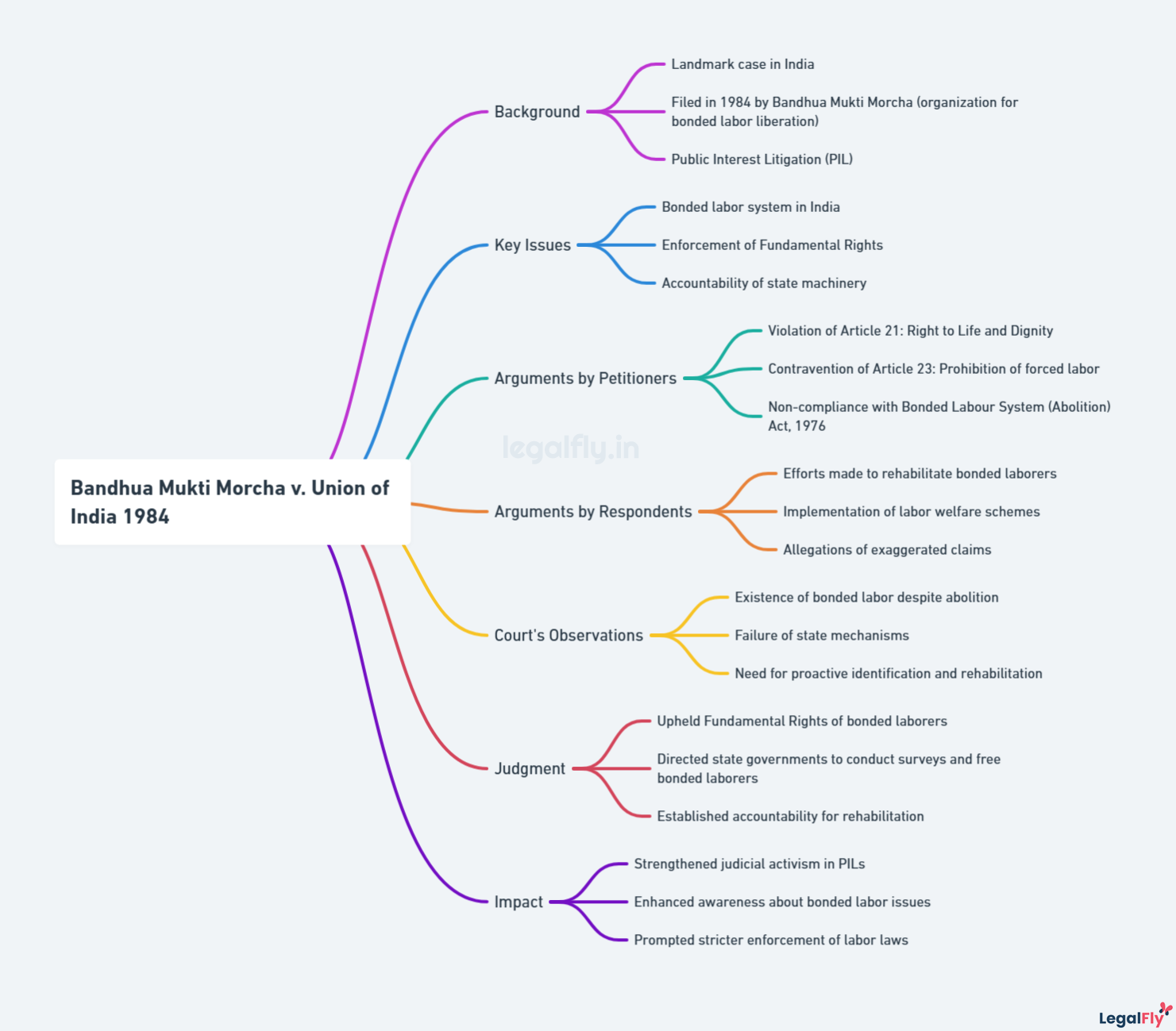
Bandhua Mukti Morcha v. Union of India (1984) is one of the foundational public interest litigation (PIL) judgments of the Indian Supreme Court. It began not with a formal petition but with a letter, and it ended with the Court forging the tools — epistolary jurisdiction, fact-finding commissions and a presumption against forced labour — that have shaped social-justice litigation in India ever since. At its heart was the plight of bonded labourers in the stone quarries of Faridabad, Haryana.
| Element | Detail |
|---|---|
| Case | Bandhua Mukti Morcha v. Union of India & Ors. |
| Citation | AIR 1984 SC 802; (1984) 3 SCC 161 |
| Court / Bench | Supreme Court of India — Bhagwati, R.S. Pathak & A.N. Sen JJ. |
| Decided | 16 December 1983 (reported 1984) |
| Leading opinion | Justice P.N. Bhagwati (Pathak and Sen JJ. concurring) |
| Key provisions | Articles 21, 23, 32; Bonded Labour System (Abolition) Act, 1976 |
Key Takeaways
- A letter alleging violation of fundamental rights can be treated as a writ petition under Article 32 (epistolary jurisdiction).
- In a PIL, the Court can appoint commissions to investigate facts — it is not confined to an adversarial role.
- A person shown to be a forced labourer is presumed to be a bonded labourer unless the employer or State proves otherwise.
- The Article 21 right to live with human dignity requires that released bonded labourers also be rehabilitated.
Historical Context and Legal Framework
Origins of Bonded Labour in India
Bonded labour, or debt bondage, has deep roots in India. A worker borrows a small sum and is then forced to work indefinitely for the creditor — often at nominal or no wages — with the debt rarely extinguished and frequently passed to the next generation. The system was historically entwined with caste hierarchies, and lower-caste and tribal communities bore its worst effects.
Legislative Developments
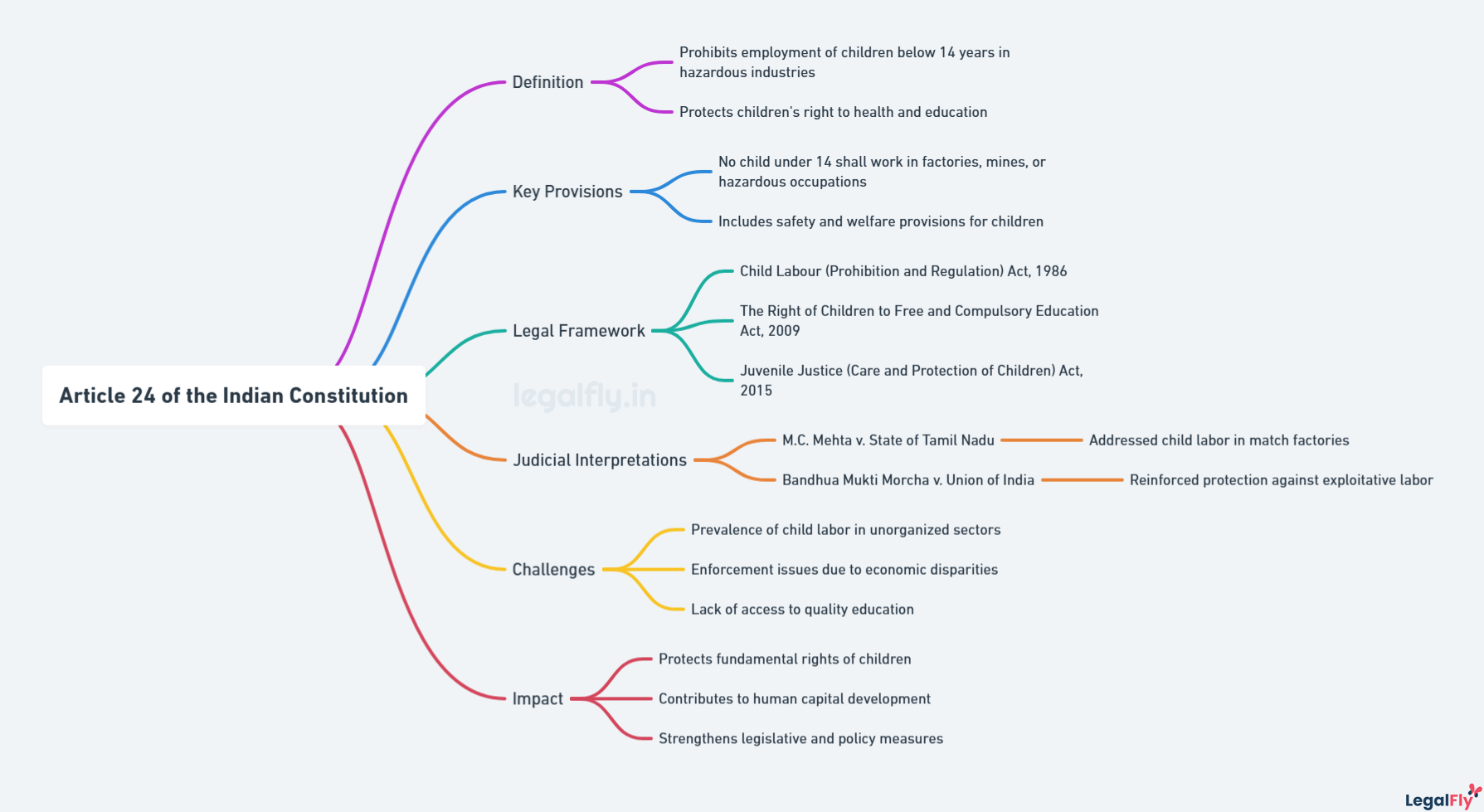
The Constitution of India, which came into force on 26 January 1950, struck at this practice directly. Article 23 prohibits forced labour (begar) and traffic in human beings, making it one of the few fundamental rights enforceable against private individuals as well as the State.
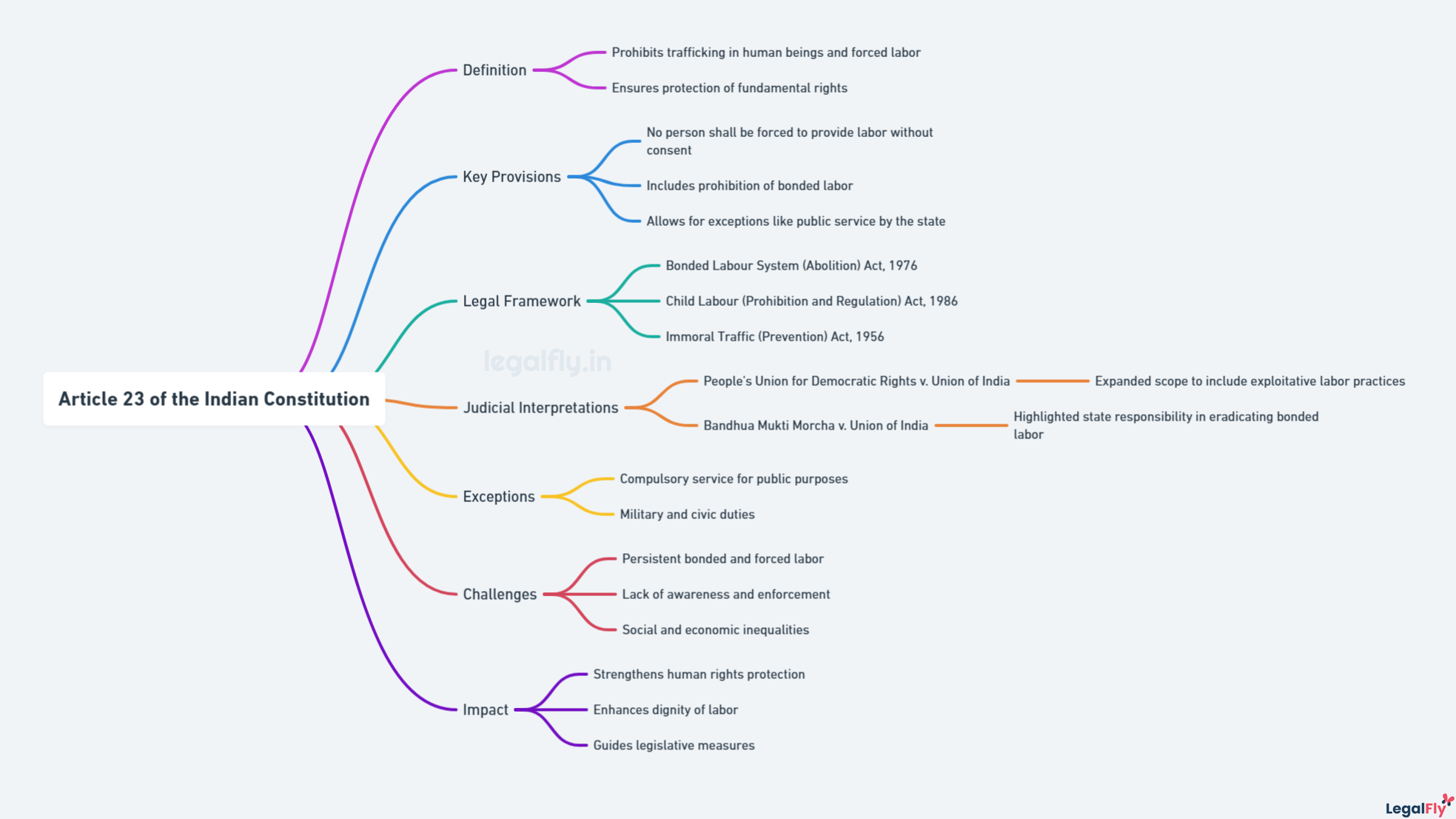
The Bonded Labour System (Abolition) Act, 1976 took the next step: it abolished the bonded labour system outright, extinguished all bonded debts, freed every bonded labourer, and placed a duty on district authorities to identify, release and rehabilitate them. The problem, as this case showed, lay not in the law on paper but in its enforcement.
International Human Rights Perspective
The judgment sits within a wider human-rights framework. Article 4 of the Universal Declaration of Human Rights (1948) prohibits slavery and servitude in all forms, and India is party to International Labour Organisation conventions against forced labour. These standards reinforced the constitutional command in Article 23.
Case Overview
Facts of the Case
On 25 February 1982, Bandhua Mukti Morcha — an organisation working to release bonded labourers — addressed a letter to Justice P.N. Bhagwati. It alleged that large numbers of workers, many of them migrants, were labouring in the stone quarries of Faridabad district, Haryana, under inhuman conditions, and that many were bonded labourers held against their will.
The Court treated the letter as a writ petition and appointed a commission to inquire on the ground. The commission confirmed the allegations: choking dust, no clean drinking water, no medical care, no schooling, no compensation for injuries, and workers who were not permitted to leave. On these findings the Court held that the quarry workers were indeed bonded labourers within the meaning of the 1976 Act.
Public Interest Litigation Approach
The petitioner was not an aggrieved worker but an organisation acting on behalf of those too poor and powerless to approach the Court themselves. Justice Bhagwati used the case to consolidate the PIL doctrine: where a fundamental right of a disadvantaged group is at stake, the rule of locus standi is relaxed so that any public-spirited person or body may move the Court, and the Court may itself gather facts through commissions rather than wait for the parties to prove them in adversarial fashion.
Core Allegations and Responses
The central allegation was that quarry contractors trapped workers in debt bondage and held them in degrading conditions. The State of Haryana resisted, arguing essentially that there were no bonded labourers and that the petition was misconceived. The Court rejected this defensive posture, holding that once forced labour is shown, the State cannot escape its constitutional duty by denying the bonded character of the work.
Legal Proceedings and Judgement
Primary Issues Addressed
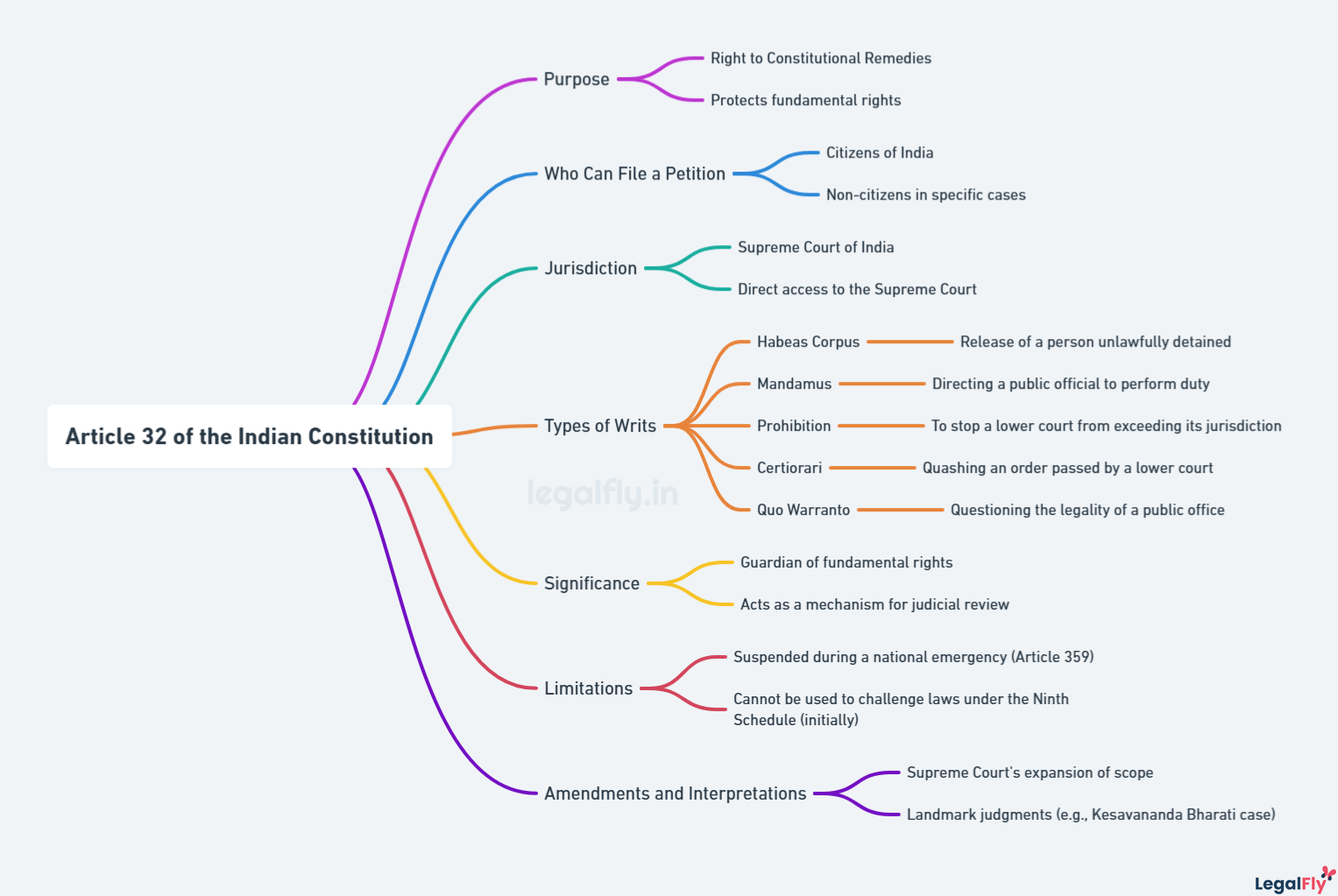
The Court considered: (1) whether a letter could be entertained as a writ petition under Article 32; (2) whether the quarry workers were bonded labourers; and (3) whether their conditions violated Articles 21 and 23 — the right to life with dignity and the prohibition on forced labour.
The Court's Reasoning and Directions
The leading judgment was delivered by Justice P.N. Bhagwati, with Justices R.S. Pathak and A.N. Sen concurring in separate opinions. Three holdings stand out:
- Epistolary jurisdiction and commissions: a letter disclosing a violation of fundamental rights can be treated as a writ petition, and under Article 32 the Court may appoint a commission to investigate the facts.
- Presumption of bondage: where it is shown that a person is rendering forced labour, the Court will presume that he is doing so in consideration of an advance or other economic obligation — and is therefore a bonded labourer — unless the employer or the State proves the contrary. This shifted the practical burden onto those denying bondage.
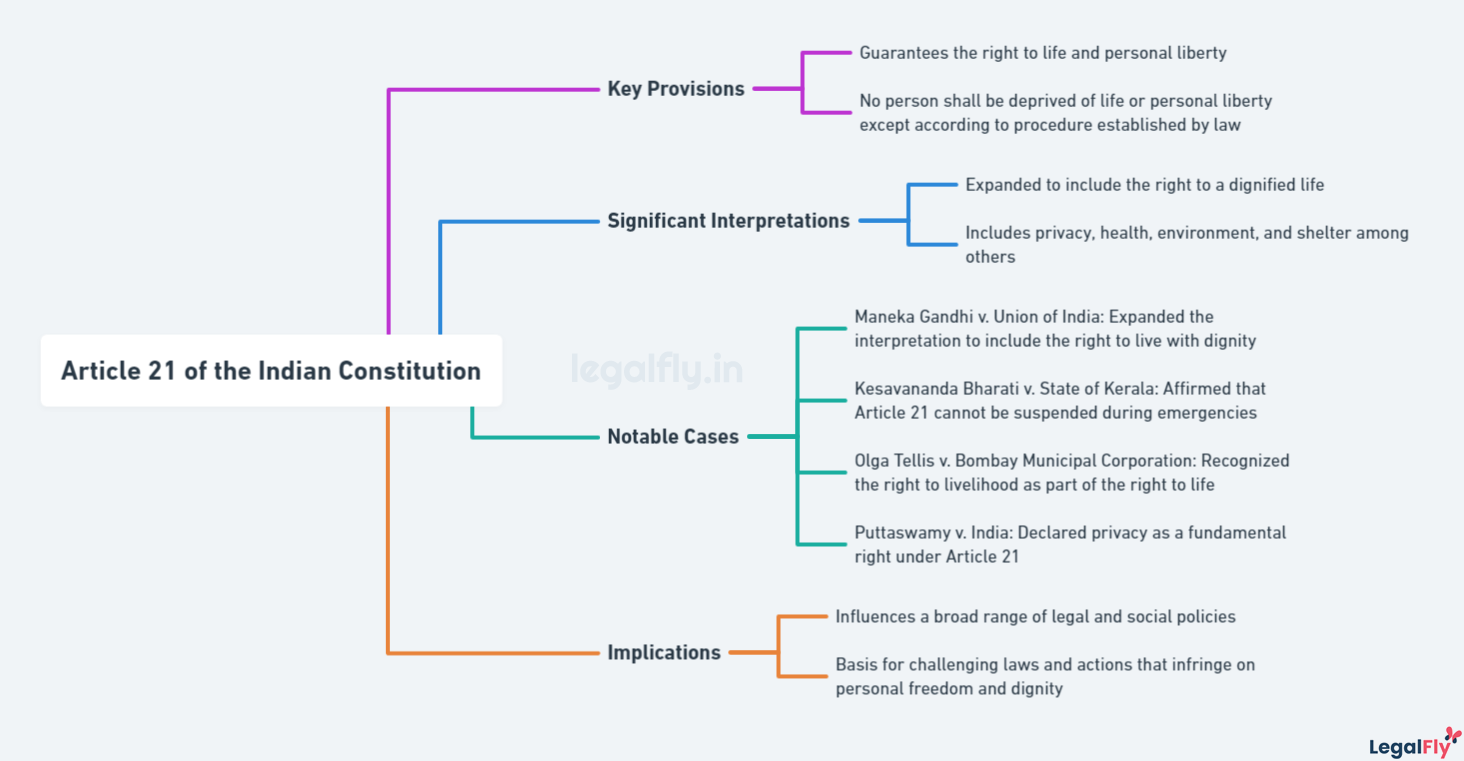
- Article 21 includes rehabilitation: reading Article 21 with the Directive Principles (Articles 39, 41 and 42), the Court held that the right to live with human dignity requires not only that bonded labourers be released, but that they be rehabilitated — for release without rehabilitation would simply push them back into bondage.
On these principles the Court issued a detailed set of directions to the Haryana government and the Union, requiring them to identify, release and rehabilitate the bonded labourers, improve quarry working conditions (water, medical aid, safety, schooling), and enforce the 1976 Act and allied labour legislation.
| Question | Holding |
|---|---|
| Can a letter be a writ petition? | Yes — epistolary jurisdiction under Article 32 |
| Can the Court investigate facts itself? | Yes — it may appoint fact-finding commissions |
| Who bears the burden on bondage? | A forced labourer is presumed bonded; the employer/State must rebut it |
| Does Article 21 stop at release? | No — it requires rehabilitation of freed bonded labourers |
Implications and Enforcement
The judgment converted the 1976 Act from a dormant statute into a live obligation. District magistrates were directed to locate and free bonded labourers and to oversee their rehabilitation — health, education and vocational support — so they could rebuild their lives rather than relapse into debt. The Court also kept the matter alive through continuing supervision and periodic reporting, an early example of the "continuing mandamus" technique later used widely in PIL.
By grounding the relief in Articles 21 and 23 read with the Directive Principles, the decision reinforced the idea that social and economic rights are part of the right to life — and that the State carries an affirmative duty to protect the most vulnerable. The case remains a leading authority on both bonded labour and the procedural reach of public interest litigation.
Conclusion
Bandhua Mukti Morcha v. Union of India shows the Supreme Court using procedure as an instrument of justice. By accepting a letter as a petition, sending its own commission to the quarries, presuming bondage from forced labour and insisting on rehabilitation as part of the right to dignity, the Court gave constitutional teeth to the abolition of bonded labour. Its enforcement gaps persist in practice, but the case still defines how Indian courts protect those who cannot protect themselves.